Understanding Zone 5A: South Bend's Unique Climate Challenge
If you live in South Bend, you're in USDA Hardiness Zone 5A, which means your home faces a particular set of insulation demands that many homeowners overlook. This zone experiences cold, snowy winters with temperatures that regularly drop below zero, combined with humid summers that can push moisture deep into your home's structure. The temperature swings and seasonal humidity fluctuations create an environment where traditional insulation materials simply don't perform as reliably as modern alternatives.
The challenge isn't just about keeping heat in during winter or cool air in during summer. It's about managing moisture that creeps into your crawl spaces, attics, and wall cavities. When fiberglass batts or cellulose insulation absorb this moisture, they lose their R-value effectiveness and become breeding grounds for mold and mildew. This is why homeowners throughout South Bend are turning to spray foam solutions that address both thermal resistance and moisture control in one application.
Why Crawl Space Insulation Matters More in Humid Climates
Your crawl space is ground zero for moisture problems in Zone 5A. Unlike basements, crawl spaces sit directly on soil and are naturally prone to humidity accumulation. When you neglect proper crawl space spray foam installation, warm air from your heated home escapes downward, and cold air rises back up through floor joists. This creates uncomfortable cold floors and forces your heating system to work overtime, driving up energy bills by 15 to 25 percent in many homes.
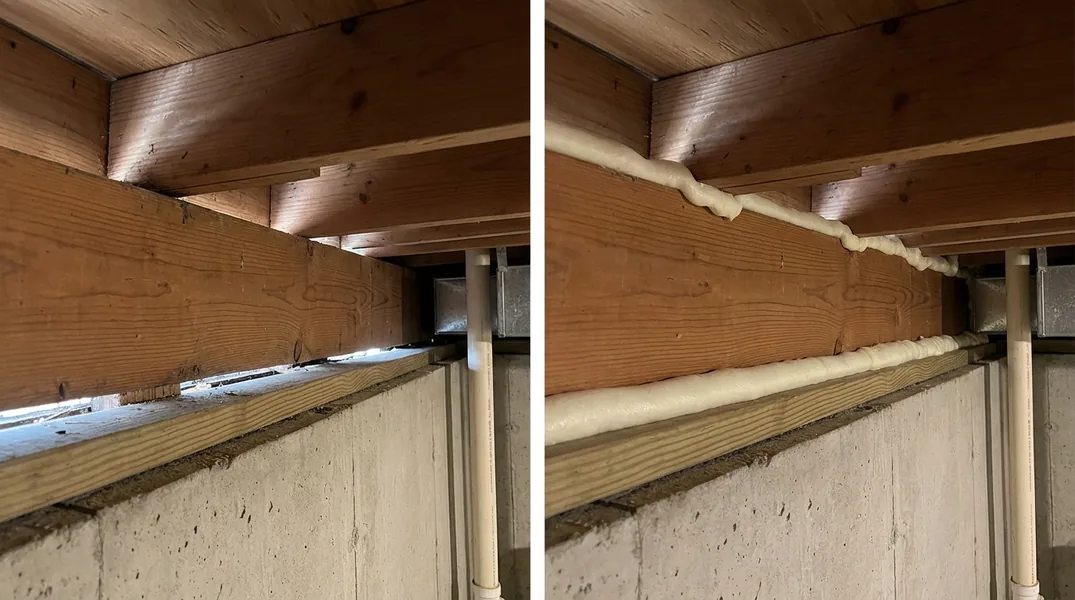
The real problem emerges when moisture combines with poor insulation. Traditional crawl space spray foam and fiberglass batts can't create an effective vapor barrier. Humidity from the soil migrates upward, condenses on cold surfaces, and promotes wood rot and structural damage. Closed Cell Spray Foam Insulation solves this by forming an impermeable seal that blocks moisture while simultaneously insulating. The foam adheres directly to rim joists, band boards, and subfloors, eliminating air gaps where drafts escape and humidity infiltrates.
Pier and Beam Foundations: Spray Foam vs. Traditional Methods
Homes built on pier and beam foundations, common in older South Bend neighborhoods, face unique insulation challenges. The open space beneath the home creates a massive thermal bridge directly to the outside air. Traditional crawl space spray foam applications using fiberglass or mineral wool batts require careful installation and frequent maintenance. These materials settle over time, compress under their own weight, and leave gaps where air infiltrates. In a humid Zone 5A environment, they also absorb moisture and develop structural problems within five to ten years.
Spray foam technology offers a superior alternative for pier and beam homes. When applied to the underside of the floor system and around support posts, Closed Cell Spray Foam Insulation creates a continuous thermal and moisture barrier that maintains its performance for decades. Homeowners with pier and beam foundations who switch to spray foam report warmer floors, lower heating costs, and elimination of the drafty, uncomfortable feeling that plagues homes with inadequate underfloor insulation. The investment pays for itself through reduced energy consumption and avoided structural repairs.
Cold Floors Insulation: Finding the Best Solution for Your Home
Cold floors are one of the most common complaints from homeowners in the Midwest, and they're almost always a symptom of poor crawl space spray foam coverage or missing insulation entirely. When you're standing in your kitchen in January and your feet are freezing despite your thermostat reading 72 degrees, the problem is heat loss through the floor system above an uninsulated or poorly insulated crawl space. The best insulation for crawl space applications must address three factors simultaneously: R-value, air sealing, and moisture control.
Fiberglass batts, while inexpensive, fail on all three counts in humid climates. They compress, allow air movement around their edges, and absorb moisture that destroys their insulating properties. Closed Cell Spray Foam Insulation eliminates cold floors by creating an airtight seal that prevents warm air from escaping downward and cold air from rising upward. Homeowners who invest in professional spray foam insulation for their crawl spaces notice the difference within days. Floors become noticeably warmer, heating bills drop, and the constant draft sensation disappears. For the best insulation for crawl space performance in Zone 5A, spray foam is the only choice that delivers lasting results.
Spray Foam Insulation Cost in South Bend: What to Budget
Homeowners often hesitate to invest in spray foam because they've heard it costs more upfront than traditional insulation. While the initial pricing for spray foam is typically higher than fiberglass batts, the long-term value is dramatically superior. A typical crawl space spray foam project in South Bend ranges from $1,500 to $3,500 depending on square footage, existing conditions, and whether you're insulating just the rim joists or the entire floor system. This cost includes labor, materials, and the expertise of trained professionals who ensure proper application.
When you calculate the return on investment, spray foam becomes the economical choice. Energy savings alone typically range from 10 to 20 percent of your annual heating and cooling costs, meaning a $2,500 spray foam project pays for itself in five to seven years. Add in avoided costs for mold remediation, structural repairs, and replacement of failed traditional insulation, and the savings multiply significantly. Every homeowner's situation is different, so the best approach is to contact South Bend Spray Foam Insulation for a free estimate. Our team will assess your crawl space, pier and beam foundation, or attic and provide transparent pricing based on your specific needs.
Getting Professional Crawl Space Insulation Near Me: When to Call South Bend Spray Foam
If you're experiencing cold floors, high heating bills, musty odors in your crawl space, or visible moisture problems, it's time to call a professional. DIY insulation projects in crawl spaces often lead to incomplete coverage, improper air sealing, and moisture management failures. Professional contractors have the equipment, training, and experience to apply crawl space spray foam correctly, ensuring every gap is sealed and the entire underfloor system is protected against Zone 5A's humidity challenges.
South Bend Spray Foam Insulation serves homeowners throughout the region, including Mishawaka, Granger, and Notre Dame. Our team specializes in crawl space solutions, pier and beam insulation, and attic spray foam applications. We understand the specific challenges of insulating homes in this climate and have the expertise to deliver lasting results. Call us today at (574) 406-8438 or visit our website to schedule your free estimate. Let's make your home more comfortable, energy-efficient, and protected against moisture damage.
Looking for a professional spray foam insulation contractor in South Bend? South Bend Spray Foam Insulation responds fast for all your spray foam insulation needs.
Get a Free Quote