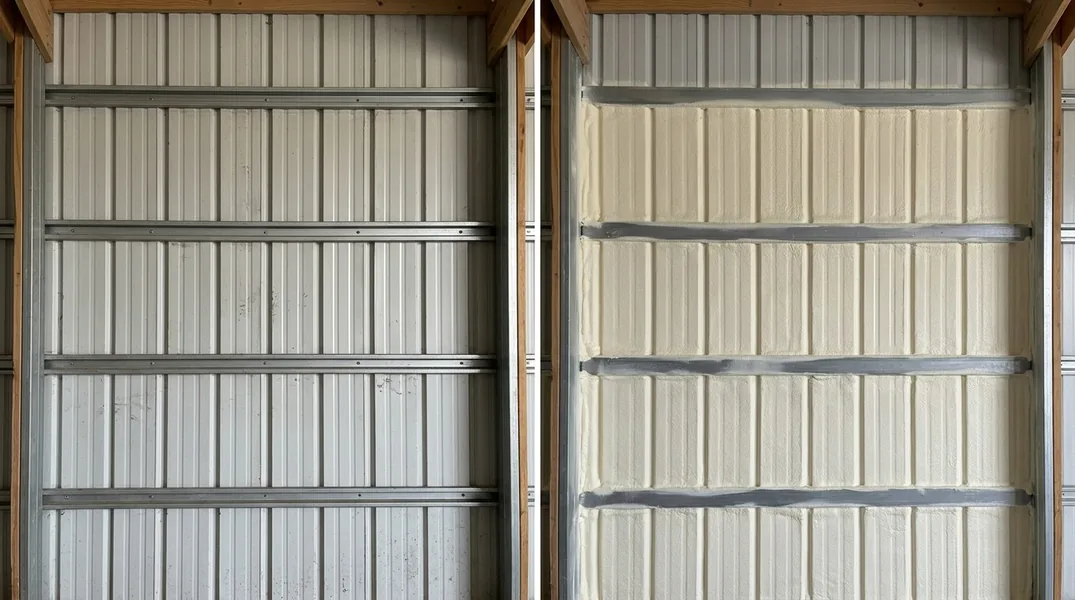
Why Balloon-Framed Homes in South Bend Need Special Attention
If you own one of the charming early-1900s balloon-framed homes that dot the neighborhoods near Notre Dame and throughout South Bend, you're living in a piece of architectural history. These homes have character, craftsmanship, and solid bones that modern construction often lacks. However, they also come with a significant challenge: energy efficiency and moisture management that their original builders never anticipated.
Balloon-frame construction, common in homes built before the 1920s, uses continuous vertical studs that run from the foundation all the way to the roof. Unlike modern platform framing, which creates natural fire breaks between floors, balloon framing creates continuous cavities that run through multiple stories. This design made sense when labor was cheap and materials were abundant, but it creates problems for today's homeowners trying to maintain comfortable indoor temperatures and control moisture in Indiana's humid climate. The lack of horizontal blocking also means air can move freely through wall cavities, turning your home into a wind tunnel during winter and allowing moisture to accumulate in ways that lead to rot and decay.
Is Spray Foam Insulation Worth It for Historic Homes?
The short answer is yes, but with important caveats specific to older construction. Attic Spray Foam Insulation can be transformative for balloon-framed homes because it addresses both the thermal and moisture challenges that traditional batts and rolls cannot. When applied correctly by professionals who understand historic construction, spray foam creates an air-tight seal that stops drafts, reduces heating and cooling costs by 20 to 30 percent, and prevents the moisture problems that plague older homes.
The real value comes from understanding your specific home. A 1910 Colonial near the Notre Dame campus may have completely different insulation needs than a 1920s bungalow across town. Spray foam's ability to conform to irregular cavities, fill around pipes and electrical wiring, and create a continuous thermal barrier makes it ideal for homes where original construction is uneven and where air sealing is critical. Many homeowners in South Bend have seen their utility bills drop significantly after upgrading their attics with spray foam, which often pays for itself within 5 to 7 years when combined with other energy-efficiency improvements.
Spray Foam Insulation Safety and Off-Gassing Concerns
Safety is a legitimate concern when considering spray foam, and it deserves a straightforward answer. Spray foam insulation problems often stem from improper installation, inadequate ventilation during application, or using the wrong product for the job. When Closed Cell Spray Foam Insulation is applied by certified professionals who follow EPA guidelines and manufacturer specifications, off-gassing is minimal and occurs primarily during the installation and curing period, which typically lasts 24 to 48 hours.
Spray foam off gassing happens because the chemical components (isocyanates and polyols) release volatile organic compounds (VOCs) as they cure. This is why professional applicators use proper respiratory equipment and ensure adequate ventilation during installation. Once fully cured, closed-cell foam is inert and poses no ongoing safety risk. The foam itself doesn't continue to release chemicals into your home. However, the key is working with a reputable contractor who takes these precautions seriously. South Bend homeowners should always verify that their spray foam contractor is insured, and follows industry best practices. If you're concerned about off-gassing, Open Cell Spray Foam Insulation is an alternative that releases fewer VOCs during application, though it has different performance characteristics than closed-cell options.
Spray Foam Insulation Pros and Cons for Balloon-Frame Construction
Understanding the full picture of spray foam insulation pros and cons helps you make an informed decision for your historic home. On the pro side, spray foam delivers superior air sealing, which is critical in balloon-framed homes where air leakage is a major energy loss. It provides excellent moisture control when the right product is chosen, it works in irregular cavities without settling or compression over time, and it offers superior R-value per inch compared to traditional insulation. For attics in older homes, this means you can achieve better insulation performance in the same space.
The cons deserve equal consideration. Spray foam costs more upfront than fiberglass batts or cellulose, typically ranging from $1.50 to $3.50 per board foot depending on the type and application. It requires professional installation, so you cannot DIY the project. Some people have concerns about the environmental impact of the chemical blowing agents, though water-blown formulations are becoming more common. Once installed, spray foam is difficult to remove or modify if you need to access cavities later for electrical work or repairs. Additionally, if not installed properly, it can trap moisture in wall cavities if ventilation is compromised, which is particularly problematic in older homes that may have existing moisture issues. This is why choosing a contractor who understands historic construction is essential.
Wall and Injection Foam Solutions for Existing Cavities
For homeowners who don't want to disturb attic spaces or who need to insulate existing wall cavities, Wall & Injection Foam Insulation offers a less invasive alternative. This approach is particularly valuable in balloon-framed homes where accessing wall cavities without removing plaster or drywall would be destructive and costly. Injection foam can be applied through small holes drilled into exterior walls, allowing you to insulate cavities without major renovation work.
The process involves drilling small access holes in the rim joist, band board, or exterior wall, then injecting low-pressure foam that expands to fill the cavity completely. This method works well for homes where the wall structure is sound but insulation is missing or inadequate. It's especially useful for the rim joists and band boards that are common thermal weak points in older homes. The investment is typically lower than spray foam applied to open cavities, and it minimizes disruption to your home's interior. If you're considering this approach for your South Bend home, a professional assessment is essential to determine whether injection foam is suitable for your specific walls and whether any existing moisture or structural issues need to be addressed first.
Attic Spray Foam Insulation Cost in South Bend: What to Budget
Understanding the financial investment required for spray foam helps you plan your insulation project realistically. Attic spray foam insulation cost varies based on several factors including attic size, existing insulation condition, accessibility, and whether you choose closed-cell or open-cell foam. In South Bend, most residential attic spray foam projects range from $2,000 to $6,000 for a typical 1,000 to 1,500 square foot attic space, with closed-cell foam running higher than open-cell due to its superior R-value and moisture resistance.
The pricing for your specific project depends on how much existing insulation needs to be removed, the complexity of your attic layout, and whether you need any air sealing work around penetrations and rim joists. A 1910 balloon-frame home with original wood sheathing and no insulation will cost more to prepare than a home with existing batts that can be removed quickly. Many homeowners find that the energy savings justify the investment, especially when combined with other efficiency upgrades. Some utility companies and state programs offer rebates for insulation improvements, so it's worth checking what incentives might be available. To get an accurate estimate for your home, contact South Bend Spray Foam Insulation at (574) 406-8438 or request a free estimate so a professional can assess your specific situation.
Choosing the Right Contractor for Historic Home Insulation
The difference between a successful spray foam insulation project and a problematic one often comes down to contractor selection. When you're working with a historic home, you need professionals who understand not just spray foam application, but also the unique characteristics of balloon-frame construction, original building materials, and moisture management in older homes. South Bend Spray Foam Insulation has experience working with the neighborhood's many early-1900s homes, and that local expertise matters.
Before hiring any contractor, verify their licensing and insurance, ask about their experience with historic homes, request references from similar projects, and ensure they understand your home's specific construction type. A good contractor will conduct a thorough assessment, discuss both pros and cons of spray foam for your situation, and explain how their work will address your energy efficiency and moisture concerns. They should also be transparent about the off-gassing process and what to expect during and after installation. If you're ready to explore whether spray foam insulation is the right choice for your balloon-framed home near Notre Dame or elsewhere in South Bend, reach out today for a professional consultation and free estimate.
Looking for a professional spray foam insulation contractor in South Bend? South Bend Spray Foam Insulation responds fast for all your spray foam insulation needs.
Get a Free Quote