Understanding Spray Foam R-Value and Why It Matters
When homeowners in South Bend start researching insulation options, one of the first numbers they encounter is R-value. This metric measures how well a material resists heat flow, and understanding it is essential to making an informed decision about your attic.
Closed Cell Spray Foam Insulation typically delivers an R-value of 6 to 7 per inch, making it one of the most efficient insulation materials available. Open Cell Spray Foam Insulation, by contrast, offers an R-value of 3.5 to 3.8 per inch. While this might sound like closed cell is always superior, the reality is more nuanced. The choice depends on your budget, climate, and specific home needs. For South Bend homes, which experience cold winters and moderate summers, both options can deliver excellent results when properly installed.
The difference in R-value per inch translates directly to thickness requirements. If you need an R-50 rating in your attic (common for Indiana homes), you would need approximately 7 to 8 inches of closed cell foam versus 13 to 14 inches of open cell foam. This thickness difference affects not only the insulation's effectiveness but also the overall project scope and timeline.
R-Value Requirements by State: What Does Indiana Require?
Indiana's building codes specify minimum R-value requirements based on the climate zone and the part of your home being insulated. For attic insulation in Indiana, the recommended R-value is typically R-38 to R-49, depending on your specific location and the type of heating system in your home. South Bend, located in northern Indiana, falls into a zone that benefits from higher R-values due to colder winters and greater heating demands.
Meeting or exceeding these requirements isn't just about following code; it directly impacts your energy bills and home comfort. An attic that falls short of recommended R-values allows conditioned air to escape, forcing your heating system to work harder and run longer. Over time, this inefficiency costs thousands of dollars. When you're deciding between air sealing alone or full Attic Spray Foam Insulation, checking your current R-value against state requirements should be your first step. Many older homes in the region have attics with R-19 or less, which means they're significantly underinsulated by today's standards.
Air Sealing vs. Full Foam: Which Strategy Wins?
This is the central question homeowners face, and the honest answer is that it depends on your current situation and long-term goals. Air sealing involves identifying and closing gaps, cracks, and penetrations in your attic where conditioned air escapes. Common culprits include gaps around electrical outlets, plumbing vents, recessed lights, and the attic hatch. Air sealing is less expensive upfront and can significantly improve comfort and reduce energy waste, especially in homes with obvious air leakage problems.
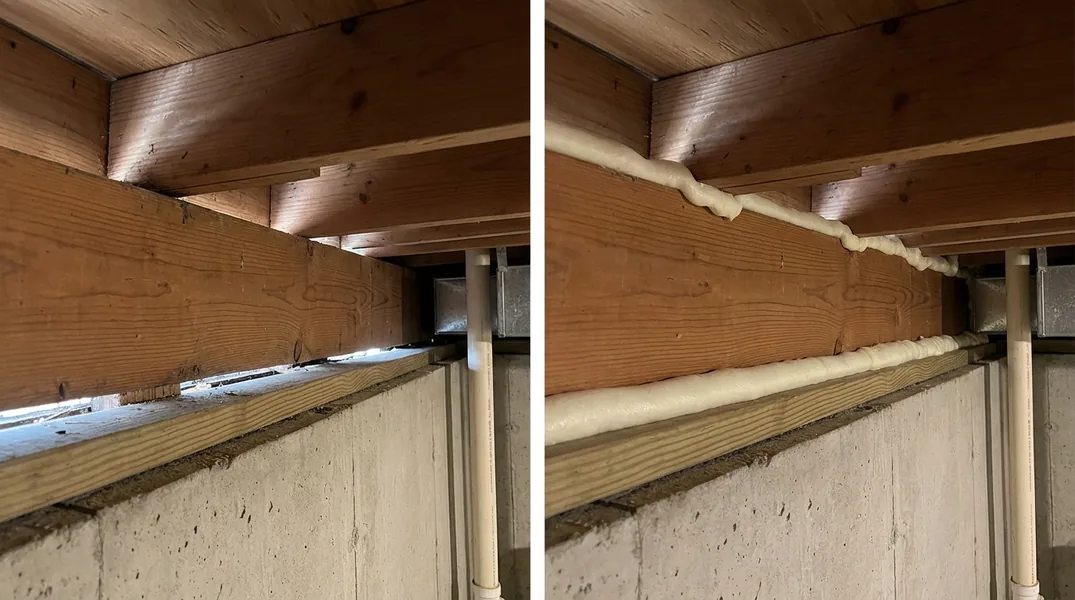
However, air sealing alone has limitations. Even after sealing every visible gap, you still need adequate insulation to meet current R-value requirements. Many homeowners discover that air sealing plus their existing insulation still leaves them short of the R-38 to R-49 range recommended for Indiana. This is where Attic Spray Foam Insulation becomes attractive. Spray foam addresses both problems simultaneously: it seals air leaks as it's applied while building up R-value quickly due to its high R-value per inch.
The best approach for most homeowners is a hybrid strategy. Start with professional air sealing to eliminate obvious leaks, then add spray foam insulation on top to achieve the R-value your home needs. This combination is more cost-effective than full foam alone and more effective than air sealing without additional insulation. When you're ready to explore your options, South Bend Spray Foam Insulation can conduct a thorough assessment and recommend the right approach for your specific home. Call us at (574) 406-8438 or request a free estimate to get started.
How Thick Should Spray Foam Be? Finding the Right Depth
The thickness of spray foam insulation you need depends on your target R-value and the type of foam you choose. As mentioned earlier, closed cell foam reaches higher R-values in less space, while open cell foam requires greater depth. For most South Bend attics aiming for R-49, you're looking at 7 to 8 inches of closed cell or 13 to 14 inches of open cell.
One critical consideration is whether your attic has adequate rafter depth to accommodate the foam. Many older homes have 6-inch or 8-inch rafters, which may not be deep enough for thicker open cell applications without additional framing. Closed cell foam's higher efficiency means it often fits within existing rafter cavities more easily. A professional assessment is essential here because improper installation or insufficient depth can compromise the insulation's performance and may create moisture or ventilation issues. The team at South Bend Spray Foam Insulation evaluates these factors during the consultation phase to ensure your installation meets both code requirements and your home's structural constraints.
Insulation Tax Credits and Rebates: Reducing Your Out-of-Pocket Cost
One often-overlooked advantage of upgrading your insulation is the potential for federal tax credits and local rebates. The federal government has periodically offered tax credits for energy-efficient home improvements, including insulation upgrades. These credits can offset a significant portion of your project cost, sometimes up to 30 percent of qualified expenses. Additionally, many utility companies and local programs offer rebates for customers who improve their home's energy efficiency.
In Indiana, programs vary by utility company and locality, so it's worth checking with your specific provider to see what incentives are available. Some Mishawaka and surrounding area utility companies offer rebates for attic insulation improvements that meet certain efficiency thresholds. These incentives can make the difference between a project that feels expensive and one that delivers excellent return on investment. When evaluating pricing for your insulation project, always factor in available tax credits and rebates. South Bend Spray Foam Insulation can help you understand what incentives you may qualify for and ensure your installation meets the requirements to claim them.
Making Your Decision: What's Right for Your South Bend Home
Choosing between air sealing and full spray foam insulation isn't a one-size-fits-all decision. It depends on your current insulation level, your budget, your long-term plans for the home, and your comfort and energy goals. A home with existing insulation but visible air leaks might benefit most from targeted air sealing plus supplemental foam. A home with minimal or deteriorated insulation likely needs the comprehensive solution that spray foam provides.
The best first step is a professional energy audit or attic inspection. This assessment reveals your current R-value, identifies air leakage points, and shows whether your existing insulation is performing as intended. With this information in hand, you can make a confident decision about whether air sealing, spray foam, or a combination approach makes the most sense for your situation. If you're ready to explore your options, contact South Bend Spray Foam Insulation today at (574) 406-8438 or request a free estimate. Our team has helped hundreds of homeowners throughout Granger, Notre Dame, and the surrounding region make the right insulation choice for their homes.
Looking for a professional spray foam insulation contractor in South Bend? South Bend Spray Foam Insulation responds fast for all your spray foam insulation needs.
Get a Free Quote